A filtered text does not bounce. Business texting for contractors fails silently: when a carrier drops a message from an unregistered ten-digit number, your phone shows Sent, the thread looks normal, and the homeowner never learns that Wednesday's trusses land between seven and nine. Two things fix it — registering the number under your own business before you publish it, and keeping every text, call and email for a customer on one thread the whole company can see.
Why did the text never leave the building?
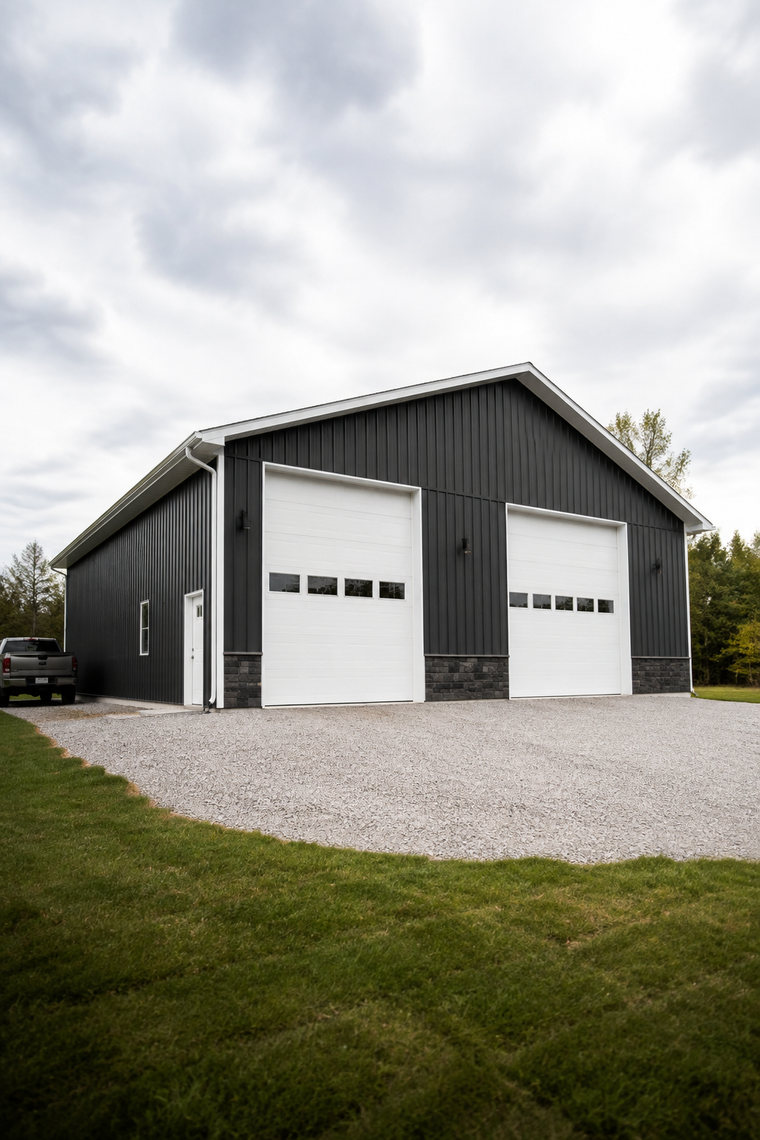
Since carriers rolled out 10DLC rules for application-to-person messaging in the US, texting customers from an unregistered business number stopped being a grey area: unregistered traffic is filtered or blocked, and the sender is not reliably told. Here is the damage on a real job — a 40x60 shop, 14-foot walls, a 12-foot lean-to on the south side. Monday you text the homeowner: trusses Wednesday, seven to nine, drive clear for a 53-foot trailer, gate open. Wednesday the driver cannot get in, two men stand around, the crane day you booked has to move, and when the homeowner says nobody told them, you have nothing to point at, because the message never left.
What is A2P registration, in plain English?
Three objects, and they stack like permitting. The brand is your legal entity, registered once with the industry registry carriers check — legal name, EIN, address, a real contact. The campaign is what you send and why: a use case, sample messages, how people opt in, how they opt out — the permit for the specific thing you are building. The numbers attach to an approved campaign and get a throughput tier; unregistered numbers get no tier because they get no delivery. Brand verification is usually quick. Campaign review is where builders stall for weeks, usually over something that takes four minutes to fix once someone says what it is.
What actually gets a builder's campaign rejected?
Almost everything falls into two buckets. The name does not match. Your filing says "Northline Builders LLC" and the IRS letter says "Northline Builders Co." The registry cannot verify you against tax records and the campaign fails; the fix is to copy the legal name and address character for character off your EIN assignment letter. The opt-in cannot be inspected. A reviewer follows the URL you supplied and looks for the consent language; if your quote form has no consent line, or the page has since been redesigned, or your samples describe appointment reminders while the use case you picked says marketing, it fails. The review is literal — it is not judging whether you are a legitimate builder, it is checking whether the things you filed agree with each other. A third, smaller bucket: samples that do not identify the sender or say how to stop. Put your company name in the samples and handle STOP and HELP; it costs nothing and removes a reason to reject. The wireless industry's own messaging principles are what carriers and the registry lean on when judging a campaign.
The pain is filing this cold, for a trade the reviewer has never seen. Because Leads 2 Build serves one trade, the carrier registration arrives pre-written for a building company — the use case, the consent wording and the sample texts already say what a post-frame builder actually sends — and texting switches itself on the day it clears.
Is consent a checkbox or a paper trail?
Registration is carrier policy. Underneath it sits law, and the law does not care whether your campaign was approved: texting someone who never agreed carries per-message exposure under the TCPA rules. For a builder, consent is easy to establish honestly: a box on the quote form agreeing to texts about their project, a note on the contact when someone calls and you ask, a line on the proposal about project communication. What matters is that the record exists and you can find it a year later. Consent to talk about their build is not consent to send a spring promotion, and an unsubscribe has to work immediately and stay working. None of this is legal advice; if you send anything that looks like marketing, run the wording past your attorney once.
The pain is the first message to a new contact going out without your name in it, or at eleven at night. Saved messages on the account arrive already carrying your company name, merge the customer's first name and building type before you send, and a message written at nine at night goes out at eight in the morning.
Why one thread per customer instead of five phones?
Registration solves delivery. It does not solve the other half: the record of the job is scattered across six places. The homeowner texts your cell about door placement; your foreman texts the same homeowner from his cell about the pour; the change order for the lean-to goes out by email from the office; the $14,000 draw invoice goes out from accounting; the customer calls about it, gets voicemail, and leaves a message nobody transcribes. Six weeks later there is a dispute about who approved moving the man door, and the answer is on a phone belonging to a man who no longer works for you.
The pain is the "yes, do it" text living two apps away from the invoice it justifies. One conversation per customer puts texts, emails, calls and voicemails on one thread on the contact record, in the order they happened, so the change order and the text approving it sit two inches apart — beside the estimate they approved on their own link.
How do you get the crew off personal phones without dropping live jobs?
Get a business number and register it before you publish it — an unregistered number customers already have is worse than none. Forward, do not cut: run both for sixty to ninety days, because on a four-to-twelve-week build cycle a hard cutover strands whoever is mid-job. Update the places the number lives — website, Google Business Profile, invoices, proposals, yard-sign template; truck lettering can wait. Tell customers once, in a sentence: "We've moved to a business line so your project messages stay with your file." Accept a history cutoff; you will not extract five years of texts off a personal iPhone into anything useful. And the step people skip: if your foreman keeps texting customers from his own phone, you have added a system, not solved one. Give him a seat on the shared thread and make it faster than his cell.
The pain during the changeover is a reply from a number nobody has saved yet. Glancing at a text from the truck does not clear the reminder to answer it, and texts from unsaved numbers collect in their own Unassigned tab where one dropdown files them onto the right person instead of losing them.
Where does registration stop helping?
Content filtering still applies to approved campaigns, and the reliable trigger is links — public shorteners are treated as suspicious no matter how legitimate the brand. Your calls have their own version of this problem, and stopping them showing as Spam Likely is a separate set of carrier registrations filed against the same verified business. And group threads with subs — you, the concrete guy, the crane operator and the homeowner in one four-way text — are a different animal under carrier rules; today we keep customer threads clean and let crew coordination live elsewhere. If you are still deciding what category of tool you need at all, the contractor management software fit guide is the better first read.