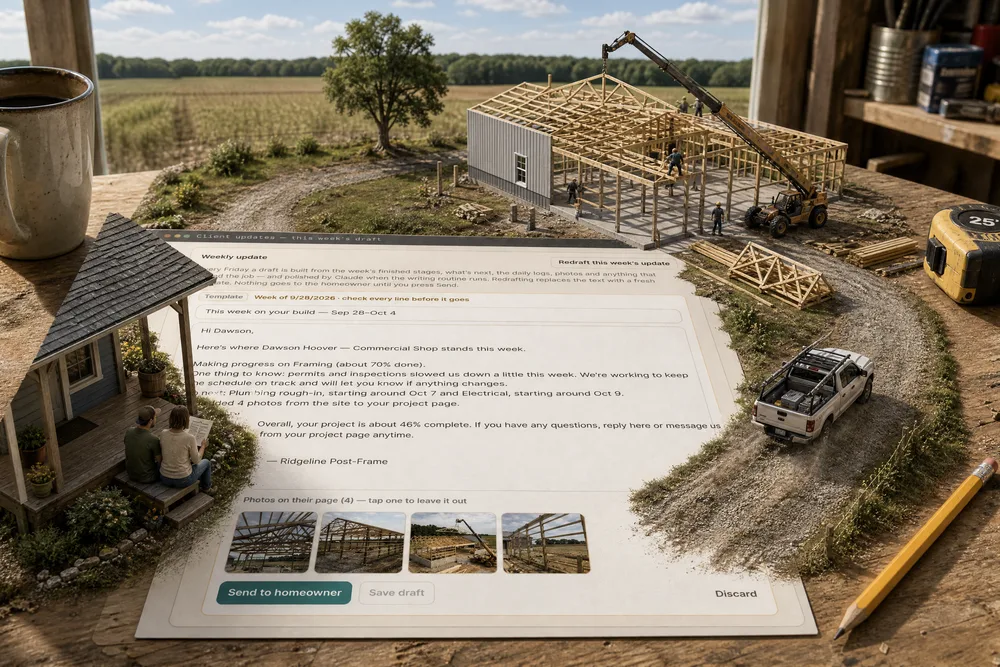
On Friday the homeowner's update is already written. It is built from what the job recorded that week — the stages finished, what's moving and roughly how far along, what starts next, the daily logs, anything that slowed the job and the week's photos — as a plain draft in a builder's voice, and it waits in the project's Client updates card while the project's people are told it's ready. Nothing goes to the homeowner until a person presses Send: then it is emailed as a letter from your company and posted under Project updates on their page, where it stays. When the writing pass has reworded a draft it says Polished by Claude, and Use the template instead puts the plain one back. The operating system for post-frame and barndominium builders, so the update reads the way your jobs run — stage by stage, off the schedule your crew already ticks.
Also called: weekly homeowner update · weekly progress email · friday update · construction progress report for client · weekly construction update for homeowner · homeowner progress email · client update template
Friday, the update is already drafted
Every Friday, each active job that has a homeowner page and something to report that week gets a draft — and the people on the project get a notification: Weekly update ready to review. The project window's Client updates card says 1 draft to review on the outside, so it waits where you'll see it. A week with nothing to say gets no draft.
Weekly updates are the job everyone means to do on Friday and nobody does, because starting one takes half an hour.
The project manager starts from a finished draft, not a blank page — so the update that always slid to 'next week' takes two minutes and actually goes out. For the business, every homeowner hears from you every week without anybody having to remember.
Written from what the job recorded this week
Try itThe draft reads the week off the job: stages finished, what moved and about how far along it is, what starts next — counted from today forward, so a late stage never shows up as 'next' — the daily logs, anything that slowed the job, and the week's photos, the ones already marked for the customer first. A slowdown becomes one calm sentence — permits and inspections slowed us down a little this week — without blame and without naming anyone. Change any line, tap a photo to leave it out, and Save draft keeps your edits.
An update written from memory on a Friday says less than the job's own records — and sometimes says the wrong thing.
It says what actually happened, so the homeowner trusts it — and nobody digs through the week to write it. A failed inspection is told straight and calmly, which is how a homeowner wants bad news: early, plain and already handled.
Any day, not just Friday
Try itThe week the trusses go up is the week the homeowner wants to hear about it. Draft this week's update builds the draft from the job straight away, whatever the day. Once a draft exists the button reads Redraft this week's update and replaces the text with a fresh template — handy after a big day on site.
Big days on a job rarely land on a Friday, and by the time the scheduled update comes round the moment has passed.
The update fits your week, not the other way round. Good news goes out while it's still news, and the homeowner feels the progress the day it happens.
Polished — with the plain version a click away
Try itWhen the writing pass has run, the draft reads warmer, in a builder's voice — from the same facts and no others. It says so: the badge reads Polished by Claude instead of Template, and Use the template instead puts the plain draft back. The writing pass is never given prices, costs, internal notes, crew names, email addresses or phone numbers; it only touches a draft nobody has started editing; and it can't send anything.
A template reads like a template, so the builder either rewrites it every week or sends something that sounds like a form letter.
The project manager gets a warmer letter without writing it — and never loses control of what it says. The badge always tells you which version you're reading, so nothing reaches a homeowner that a person didn't choose.
Nothing goes until a person presses Send
Try itSend to homeowner asks once more and names who it goes to: It's emailed to Dawson Hoover at … in your company's branding and posted under Project updates on their project page. With no email on file it says so, and the update still goes on their page. Until somebody presses it, the draft sits in the card — nothing is ever sent on its own.
Automatic customer emails go out with the wrong news in the wrong week, and the builder hears about it from the customer.
You stay the one talking to your customer. Software that emails a homeowner by itself is software a builder can't trust with the relationship — so here a person reads it, and a person sends it.
It arrives as a letter from your company
The homeowner gets a letter in your branding — your company name and colours, always light whatever their phone prefers — with the week as the heading, the job under it, the update in paragraphs and a See your project and photos button to their page. The branding is the same one your estimates and invoices wear, set once in the Brand Center.
An update typed into a phone's mail app reads like a favour; one that looks like it came from a company tells the homeowner the job is in good hands.
The homeowner hears from their builder, not from a software company — and a tidy weekly letter tells them the job is run by a business that has its act together. That's the customer who refers you.
And it stays on their project page
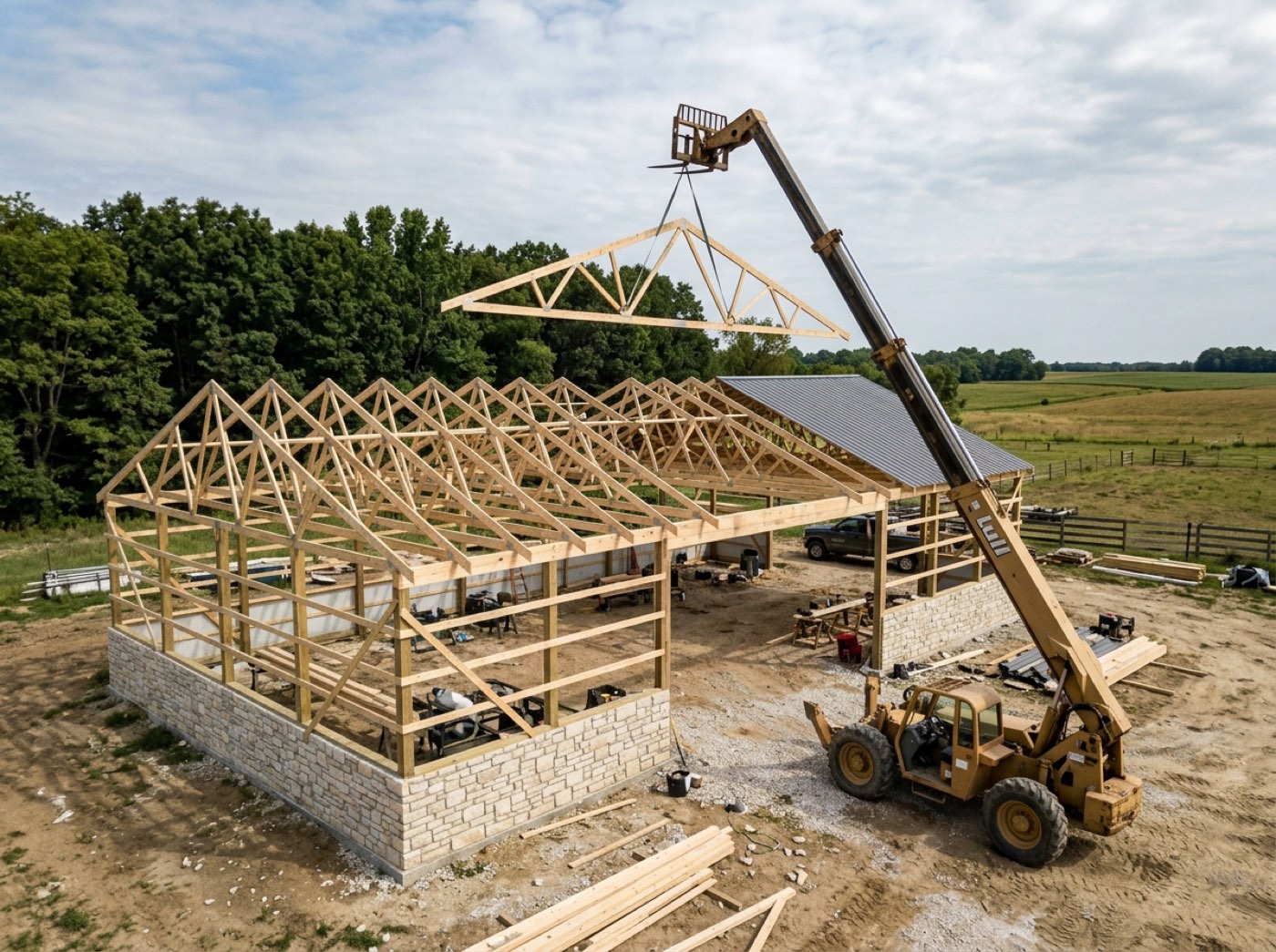
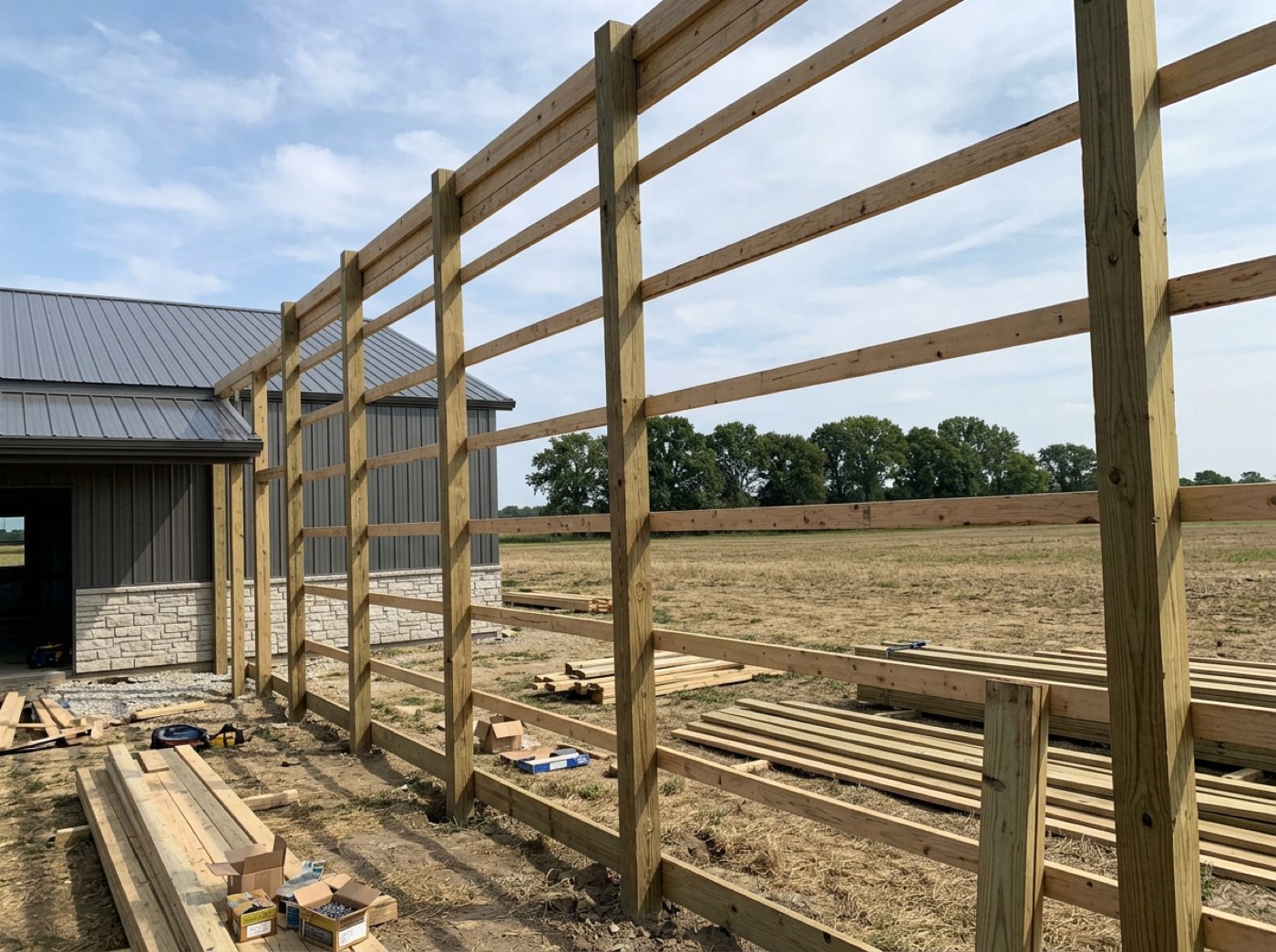
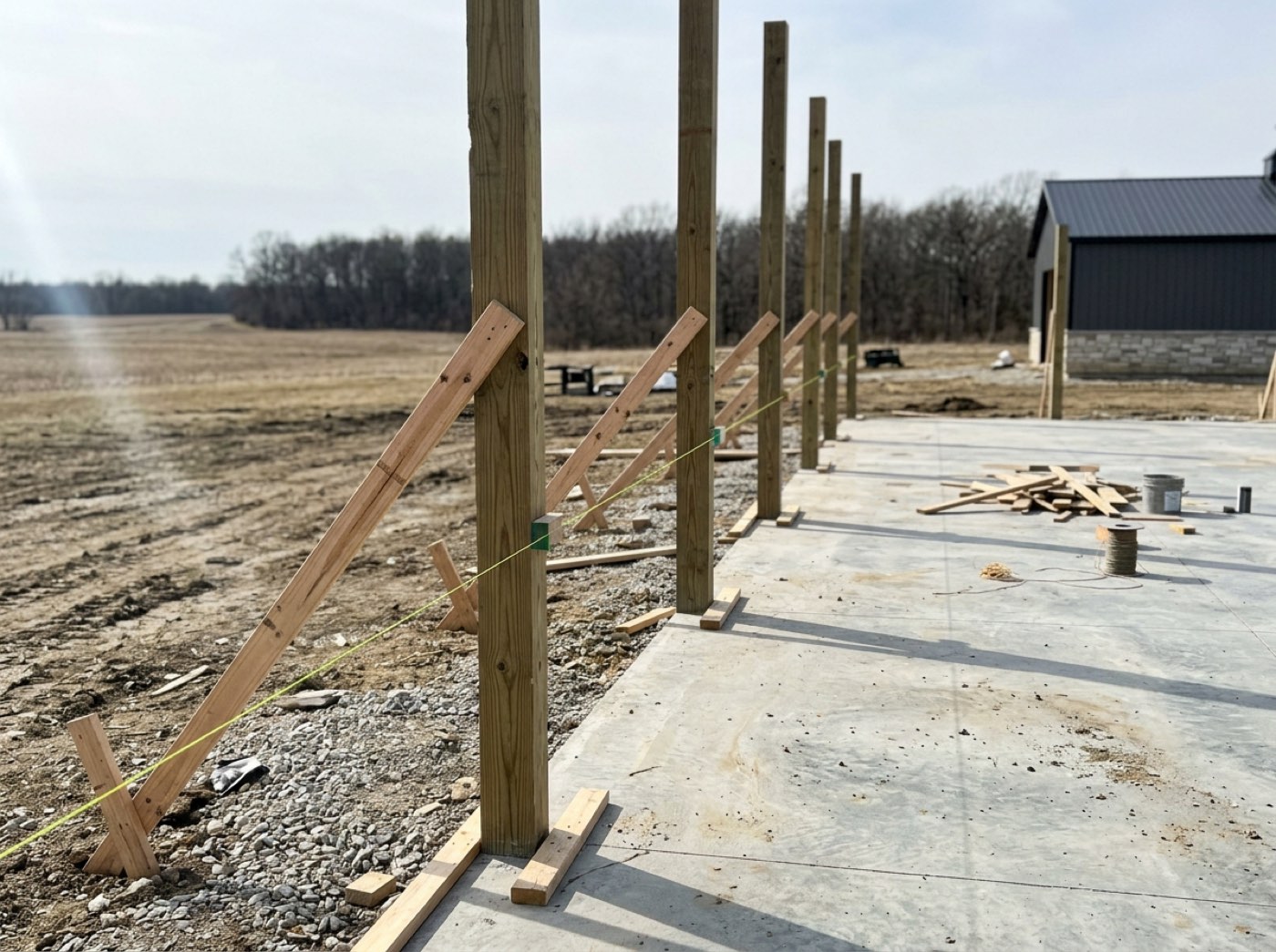
Every sent update lands under Project updates on the homeowner's page, dated, with its photos — beside the daily logs you've shared and any note you've posted. It's the same link they've had since the quote, so the whole build's story sits in one place they can scroll back through: the live project dashboard.
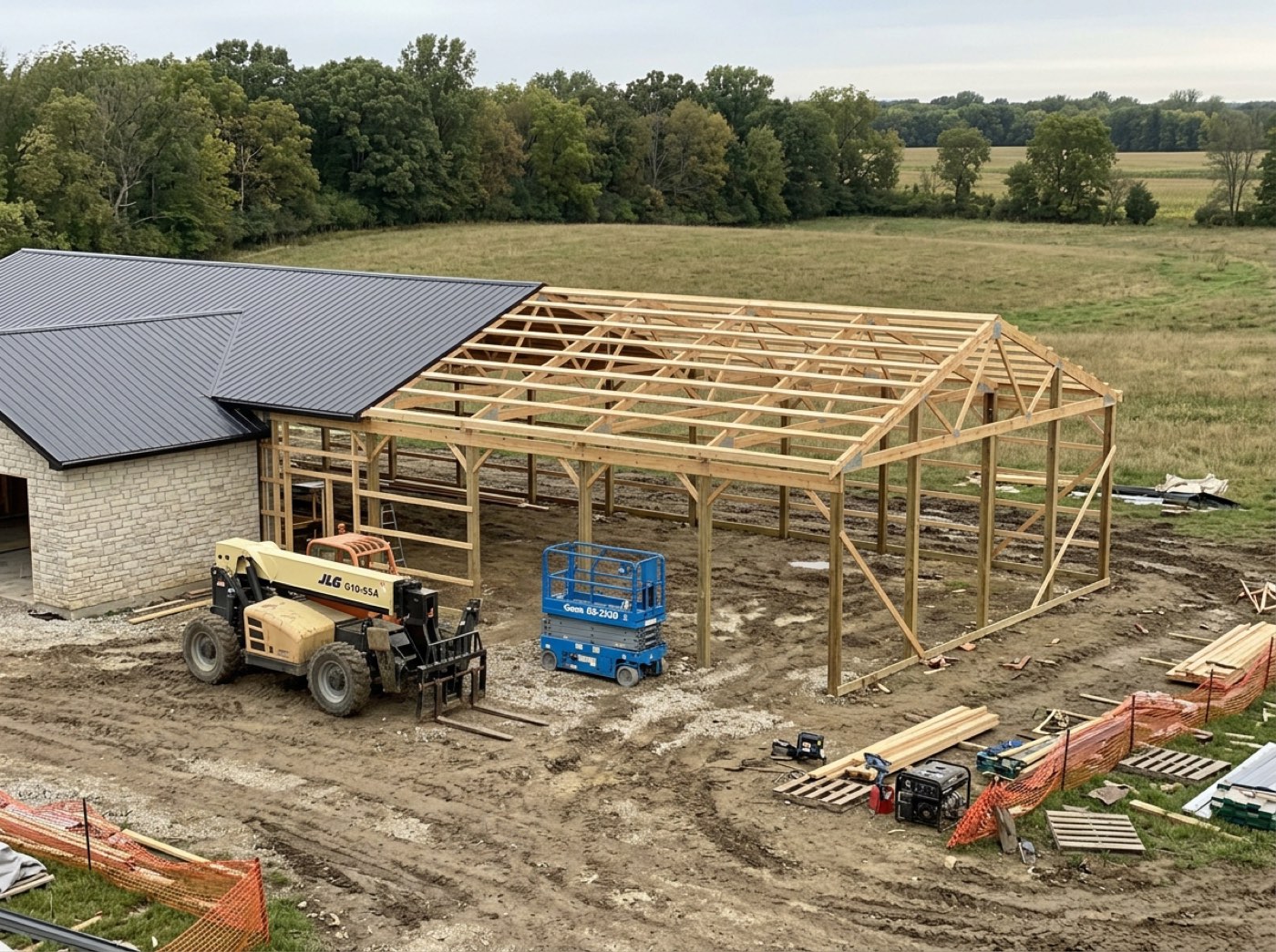
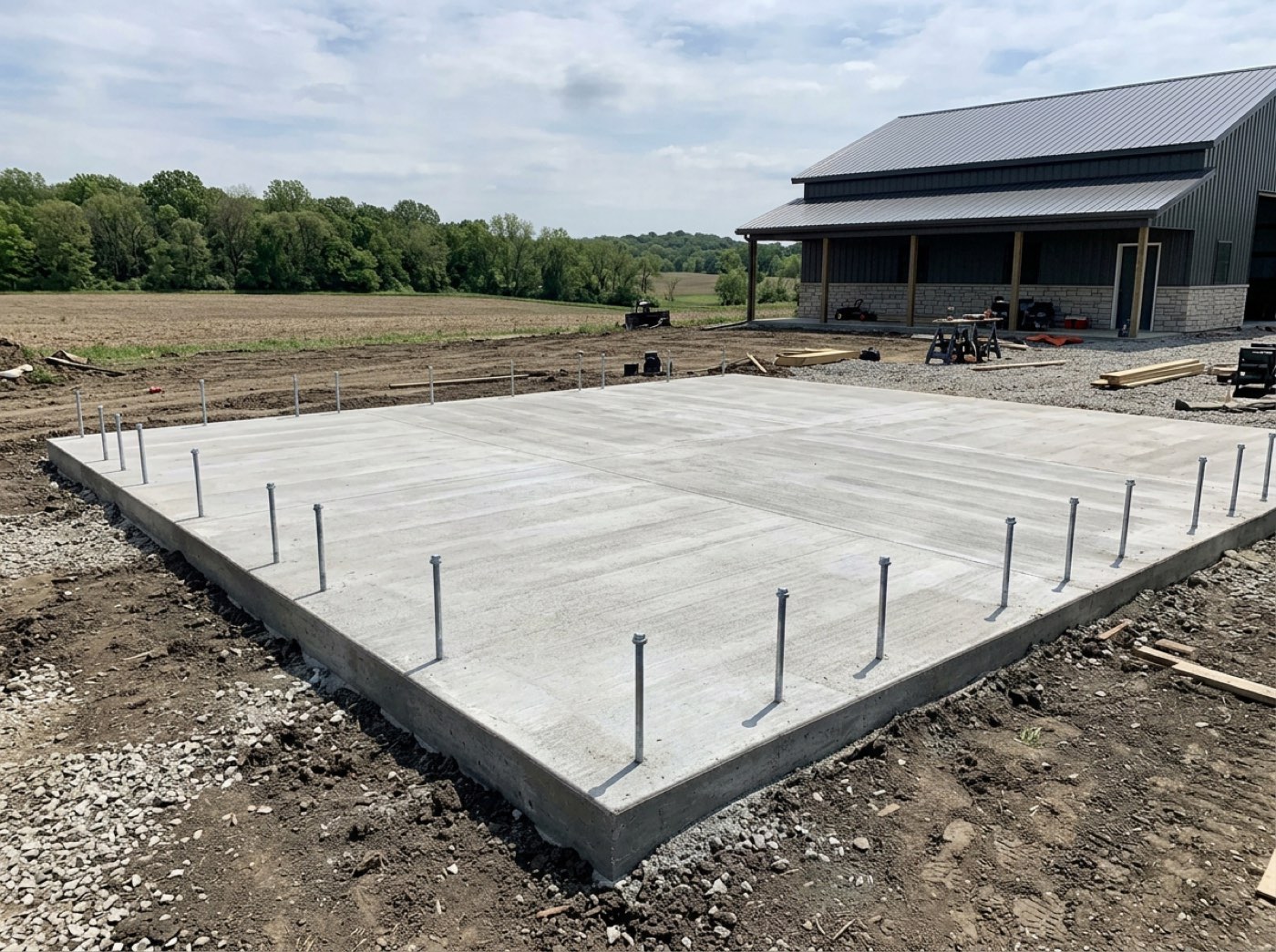
Updates sent only by email get buried, so the homeowner asks for the same news twice.
A homeowner who can scroll back through every week stops wondering whether anything is happening. Email gets buried; the page doesn't.
Their reply comes back to the job
Try itThe update ends by inviting questions — reply here or message us from your project page anytime. When they write from Message your team on their page, it lands on the job: the project window's Homeowner messages card and the job's Customer tab in team chat, seen by everyone on the job. A reply from there reaches their page live.
The homeowner answers the update from their phone, and the reply lives in one person's texts.
Their question reaches the people who can answer it, not one person's cell phone. The homeowner gets a fast, right answer; the office sees the whole conversation on the job.
A record of every update that went out
On the homeowner's page, inside the Client updates card, lists every update that went out — who sent it, when, the address it was emailed to and how many photos — weekly updates and posted notes together, newest first.
A disagreement about what the homeowner was told comes down to whose memory is better.
'We told you that' is easy to prove when it's written down. If a date or a decision is ever questioned, the job holds the record of exactly what the homeowner was told and when.
A quiet week? Discard it
Not every week needs a letter. Discard drops the draft — it won't be sent, and the Friday run won't redraft this week — and you can still draft one by hand if something happens before Sunday. One draft per job per week: a week you've sent or discarded is left alone.
Automated reminders that keep coming back teach people to ignore them.
You decide when there's nothing worth saying, and the software respects it — no nagging, no duplicate drafts, no update sent for the sake of sending one.
- 1Friday, every active job with a homeowner page and something to report gets a draft — and the project's people get a notification that it's waiting.
- 2Open the project's Client updates card — closed, it already says 1 draft to review. Or press Draft this week's update any day.
- 3Read every line, change what you'd say differently, tap a photo to leave it out, and Save draft if you're not finished.
- 4Press Send to homeowner and confirm: it's emailed in your company's branding and posted under Project updates on their page.
- 5When they write back from their project page, it lands on the job — in Homeowner messages and the job's Customer tab in Chat.
- 6Nothing to say this week? Discard it, and the Friday run leaves that week alone.
Homeowners who hear nothing assume nothing is happening — and on a nine-week post-frame build that silence turns into the Friday-night phone call. A good update takes a project manager half an hour he doesn't have on a Friday, so it doesn't get written. The draft does the gathering and the first pass from the job's own records; the person who knows the job still decides what goes out, and presses Send.
- Weekly updates that never get written.
- Updates that say less than the job's own records do.
- A slow week explained badly — or not at all.
- No record of what the homeowner was told, or when.