Most barndominium buyers build with a construction loan, and the bank pays you in draws — only after it has seen proof each stage is done. Set the loan up from the commitment letter and the draws, the schedule of values and every draw's checklist are built from the job's own stages; each person at the bank gets their own link to a page with your name on it. When a draw's checklist is done you're told it's ready, you sign, the borrower approves, and the bank gets a sealed draw request — summary, continuation sheet, lien waivers, photos with time and GPS — that it can inspect, approve, return or mark funded without a phone call. The stages it reads are post-frame stages — dirt work, posts, trusses, steel — because post-frame and barndominium builders are the only builders we make software for.
Also called: construction loan draws · draw requests · bank draws · lender portal · lender page · pay application · G702 · G703 · AIA-style draw request · continuation sheet · draw inspection · lien waivers for draws · retainage · construction loan
The bank gets its own page for the job — no login, your name on it
Try itEach person at the bank opens the loan from their own link: the loan officer, the draw administrator, the inspector, the title company. The page leads with the six numbers a loan officer asks for first — contract to date, built, funded, retainage held, undrawn, and whether the loan is in balance — then every draw with its checklist and the file behind each item, progress by stage, the schedule of values, photos, documents and a log of who did what. It carries your company name, not ours.
The draw sits a week because the bank asked for photos by email, got them, then asked for the framing inspection, then the waiver.
A loan officer is paid to be careful with somebody else's money. When everything she needs is on one page, in the order she checks it, she stops chasing and starts approving — and a bank that never has to chase you is a bank that sends you the next barndominium buyer.
Every draw's checklist is built from the stages you already run
Try itSet the loan up and every draw's checklist is written for you from the job's stages. Every checkpoint of the draw's stages done and photos taken during the draw tick themselves from the job; the paperwork rows — conditional and unconditional lien waivers, the county inspection for that stage, insurance for the whole loan — wait for an upload. Each row says how it ticks, and the count of what's left sits beside a Sign & send that won't light until it's zero. The stages come from the build schedule your crew already works from.
The draw goes in without last month's unconditional waiver, the bank returns it, and the crew's money waits another week.
Nobody remembers a twelve-item list in a busy week, and nobody should have to. When the list builds itself and ticks itself, the office only answers the amber rows — less dread the week before a draw, and nothing left out for the bank to send back.
“Ready to send” arrives once — the moment the last item is in
The Construction loan card on the job says where the money stands while it's still closed — $60,480 funded of $426,850 · Draw 2 ready to send · 47.2% built. When a draw's last item goes in, it turns Ready to send and you're told once, not every hour. Open it and every row is green, the amount due if sent today is worked out, and Sign & send to lender is lit.
The last waiver came in on a Tuesday and nobody noticed until the next Monday, so the draw — and the payroll it covers — went in a week late.
One clear "it's ready" is something a busy owner acts on the same day; a reminder that fires every hour gets muted. Telling once, at the right moment, turns finished work into money in the bank days sooner.
Two signatures before it leaves: yours, then the borrower's
Try itSign & send asks you to certify the work is done to the extent claimed and that everyone paid from earlier draws has been paid for that work — with the amount requested in front of you and your name typed. Then the borrower is emailed their own link to approve the draw request. The package is sealed and the bank is emailed the moment the borrower approves.
The bank won't fund until the borrower signs a form, and the borrower is at work two counties away.
FHA, VA and USDA loans need the borrower's written approval on every draw, and most banks want it anyway. Asking from a link on their phone lets the homeowner feel in charge of their own loan — and the builder never drives a paper form across the county for a signature.
The draw request in the layout lenders already read
Every sealed draw prints as a draw request laid out like the familiar G702 summary: original contract, net change by approved change orders, contract to date, completed and stored, retainage on work and on stored materials, earned less retainage, less previous draws, current payment due, and balance to finish — beside a loan balance block that shows whether the money left covers the cost to finish. Print it or save it as a PDF. The wording is our own; the order of the lines is the one a loan officer is trained on.
The builder sends a one-line invoice for "$126,000 — framing", the bank asks how that was worked out, and the answer takes two days and a spreadsheet.
A loan officer has read a thousand pay applications in this order. When yours looks like the ones she trusts, she reads it in minutes and funds it; when it doesn't, she rebuilds it in her own spreadsheet first. A familiar package is a faster yes, and a builder the bank trusts.
One row per line — the continuation sheet the bank checks against the job
Underneath sits a continuation sheet in the G703 layout: one row for every line of the schedule of values — scheduled value, from previous draws, this period, materials stored, completed and stored, percent, balance to finish, retainage — plus two columns a paper form doesn't have: the stage checklist's own percent, and what the lender's inspector saw. Rough-in pipe and wire delivered before the walls closed shows as $5,600 stored, with its own retainage.
The inspector says framing is 60% and the draw claimed 75%, and nobody can say where the 75% came from.
An inspector walking the site compares the paper with what he sees, line by line. Putting the checklist's percent beside the claim means he believes the claim faster — and a builder whose numbers match the site every time gets the benefit of the doubt on the next draw.
A claim ahead of the checklist is flagged — to you and to the bank
Try itEvery line tied to a stage takes its percent from that stage's checkpoints. You can claim a different figure — real jobs have work a checklist doesn't itemise — but a claim more than ten points ahead of the checklist prints a flag under the line: Claimed 45% — the stage checklist shows 28.6%. The flag shows on your amounts table, on the bank's page and on the sealed document.
An optimistic number slips into a draw, the inspector catches it, and every draw after that gets checked twice as hard.
Paying ahead of the work is exactly what a draw inspection exists to stop. Showing the gap up front, instead of letting the inspector find it, tells the bank you have nothing to hide — and that honesty keeps a lender relaxed about your next ten draws.
Sealed when it's sent — the bank's copy can never drift
The moment a draw is sent, the whole package is frozen: the summary, the continuation sheet, the checklist with each item's status, the lien-waiver ledger, a photo index with the time, GPS position and photographer for each photo, and both signatures. A fingerprint of the package prints at the foot of the document — any change to the package changes that number. A draw the bank returns is re-signed and re-sent as a new package; the old one stays in the log by its fingerprint.
Three months on, the bank's copy of a draw and yours disagree by a line, and nobody can prove which one was sent.
Money disputes start with "that's not what you sent us." A package that can't change after it leaves ends that conversation before it starts — the bank trusts the record, and the builder has proof of exactly what was asked for, and when.
The bank makes the checklist match its own
Try itEvery bank's draw list is a little different, so the bank edits it. On its own page, anyone at the bank can Accept or Reject an upload — a rejection needs a reason, and you're told straight away — stamp the title update through a date, and switch any item off with We don't need this. Your checklist changes to match the moment they do.
The builder spends a day finding a foundation survey the bank never asked for, while the waiver it did ask for sits unsigned.
No builder can guess every bank's list. Letting the bank switch off what it doesn't ask for means you never chase a document nobody wanted — and a lender who shaped the checklist already agrees with it.
Inspect, approve, return or fund — from the same page
The inspector enters the percent complete he saw on site, line by line, and the draw pays on his number. A contact you marked can approve approves the requested amount or a different one — with two approvers if the loan needs them. Return to builder takes a written reason. Mark funded records the amount, the date, how it was paid — wire, ACH, check, joint check, or title and escrow — and a reference.
The draw was approved on Thursday, funded on Monday, and the builder found out on Wednesday by checking the bank account.
Every decision is written down by the person who made it, where they made it. The bank gets its audit trail for free, and the builder hears the decision the minute it happens instead of finding out when the money does or doesn't land.
The same draw, seen from both desks
Both sides read the same numbers from the same place — the bank is never shown a figure you weren't. What changes is what each side can do. You see the schedule of values, who at the bank has a link, every upload, and Sign & send. The bank sees the evidence and the decisions: accept, reject, inspect, approve, return, mark funded. Neither side has the other's buttons.
The builder's spreadsheet says $126,000, the bank's says $118,400, and the afternoon goes to finding the difference.
Trust between a builder and a bank is mostly about not being surprised. When both screens come from one set of numbers there is nothing to reconcile — and a relationship with no surprises makes the next loan go smoother than the last.
Photos with the time, the GPS and who took them
The bank's Photos tab shows the job's photos, each with when it was taken, where, and who took it, tagged to its stage — the same jobsite photos your crew already takes. You decide what the bank sees: every job photo, only the ones shared with the customer, or none. And a draw's photo requirement counts only photos taken during that draw — last month's photo doesn't prove this month's work.
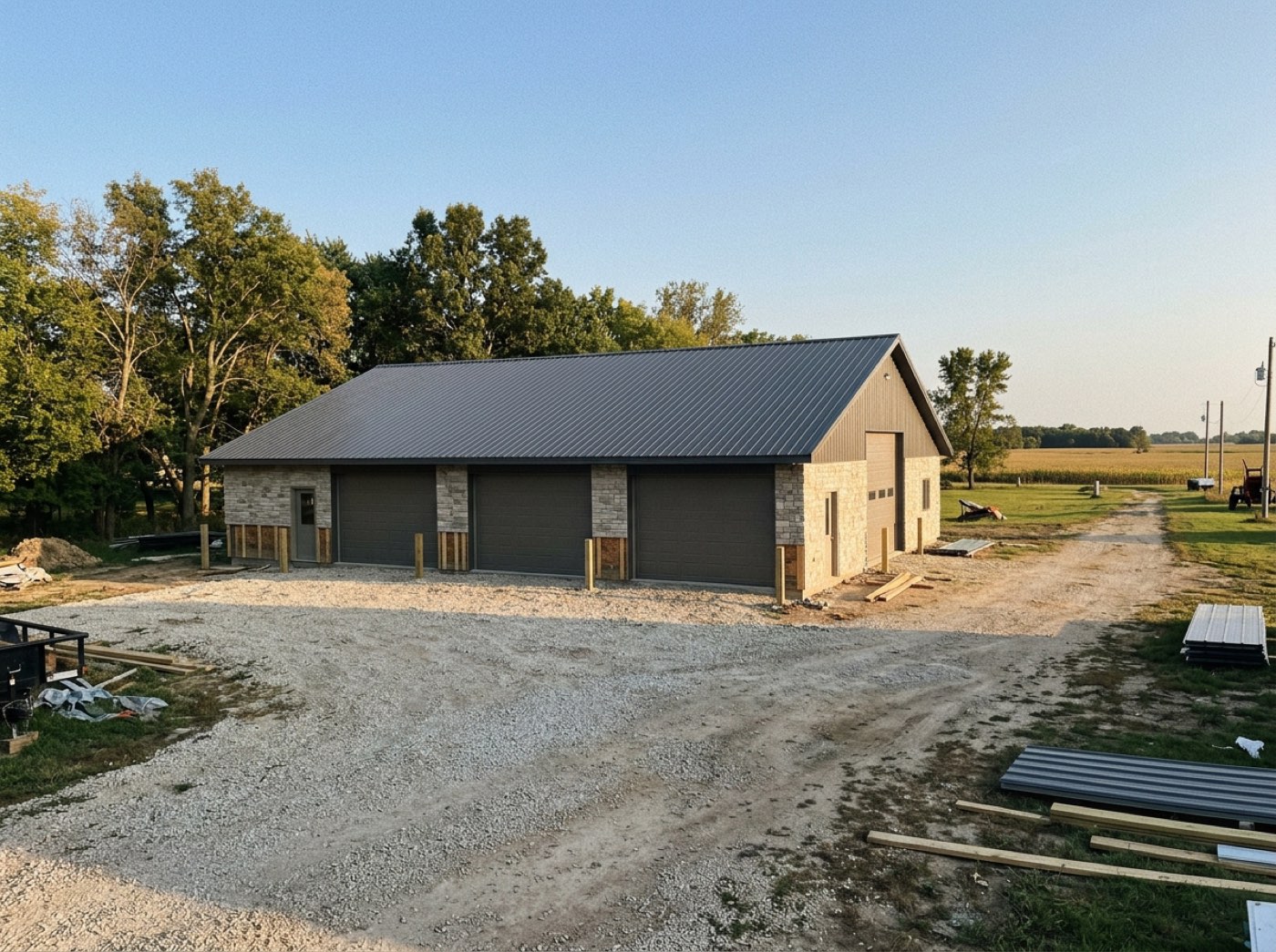
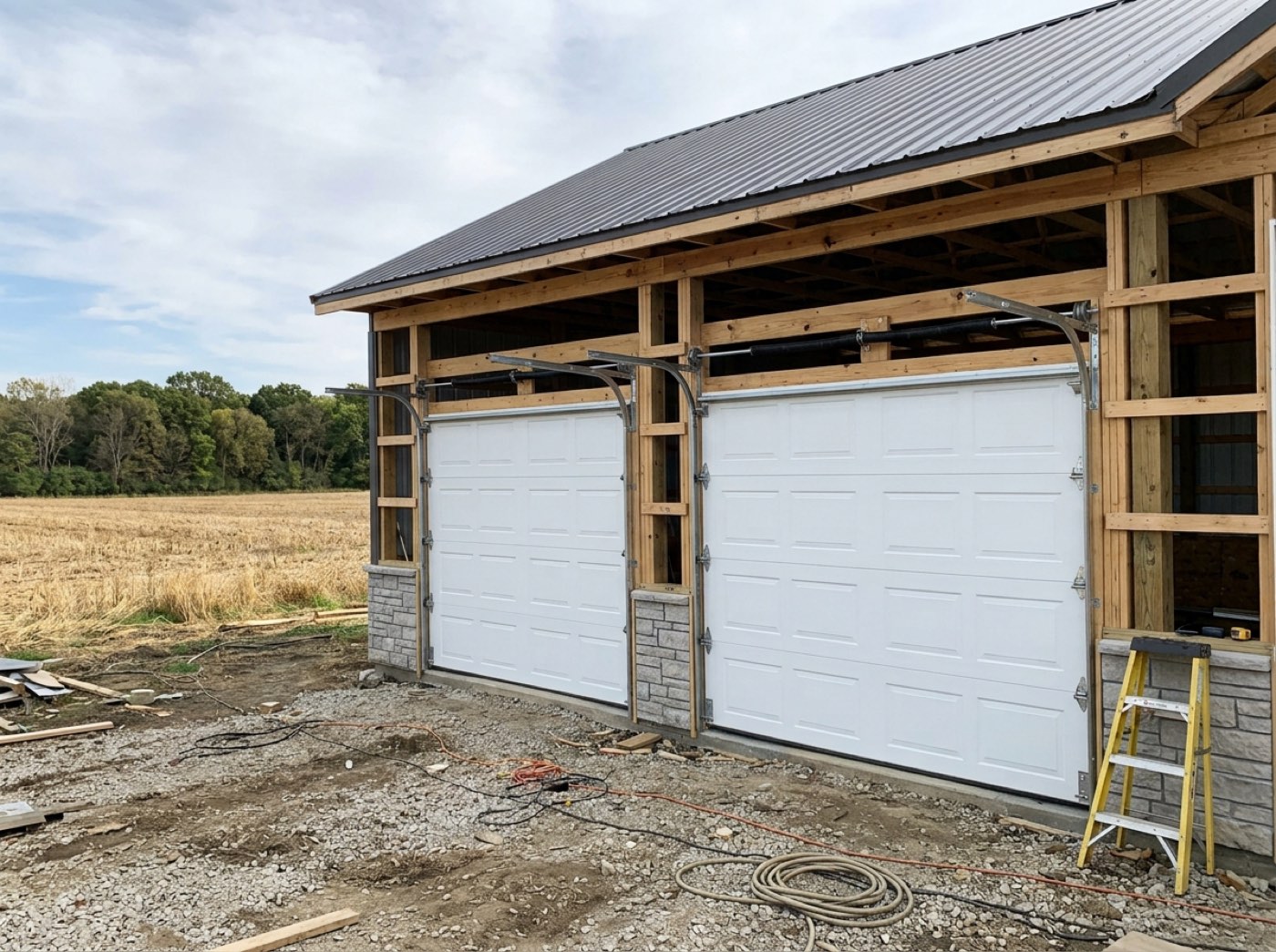
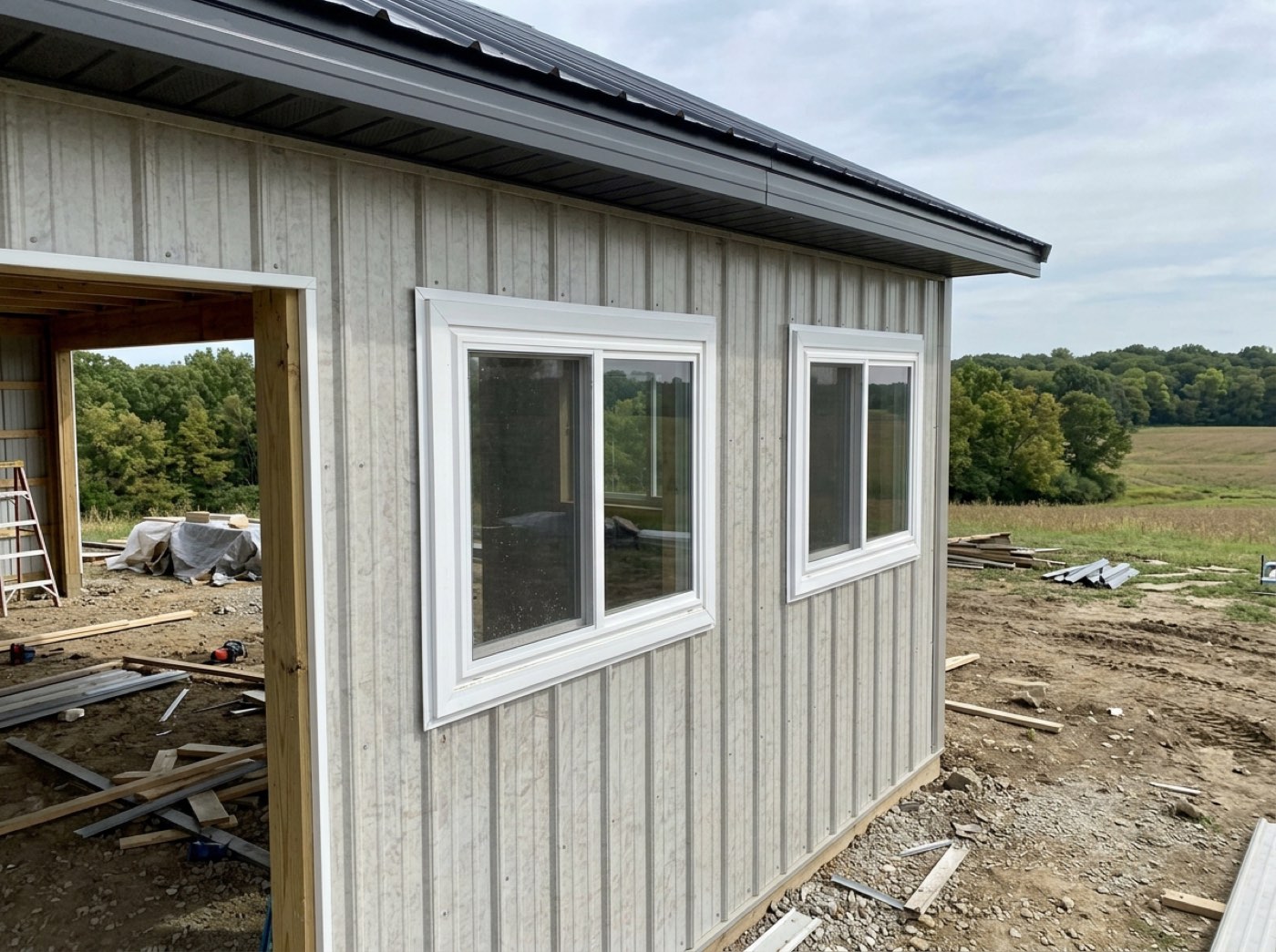
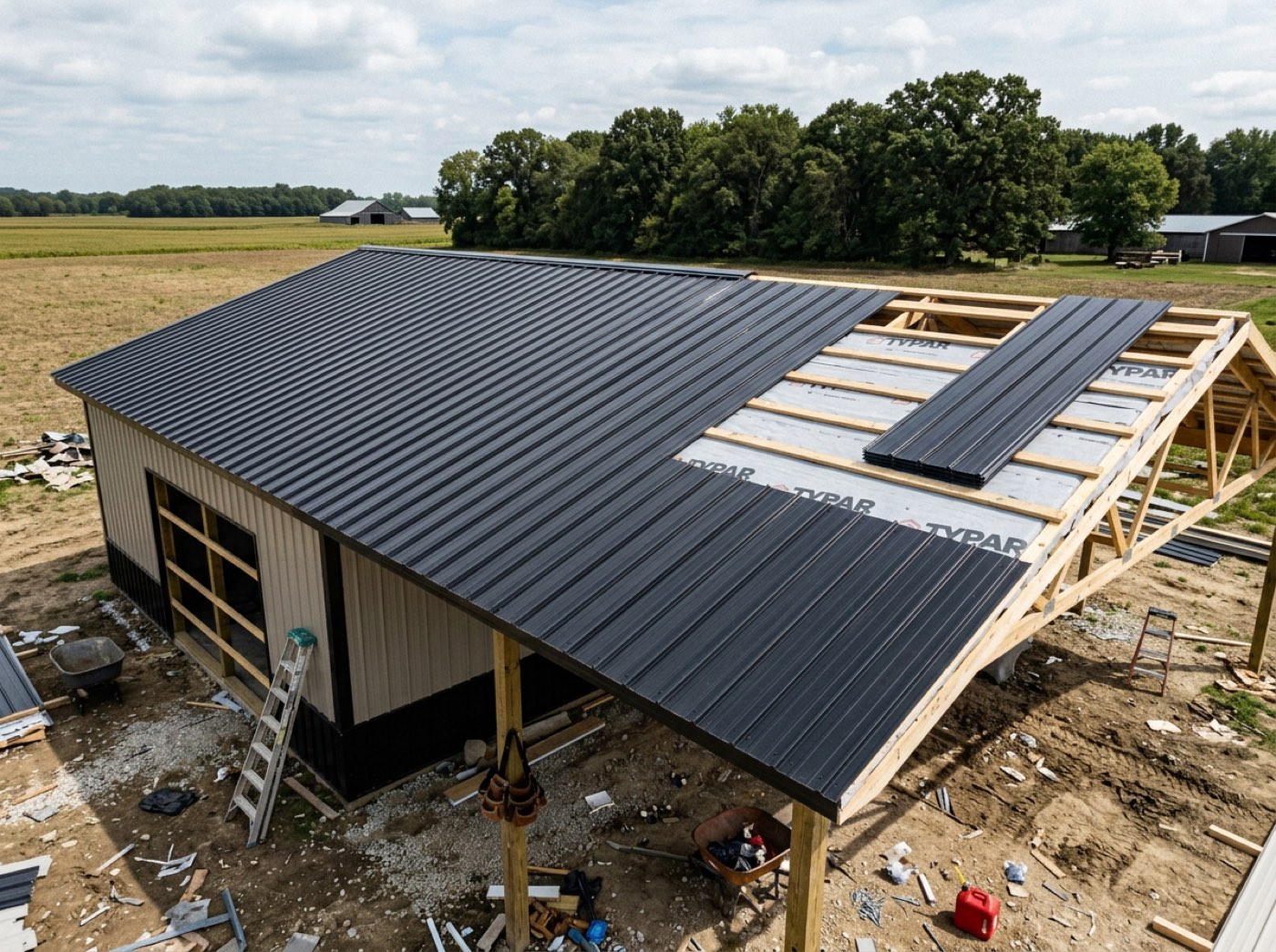
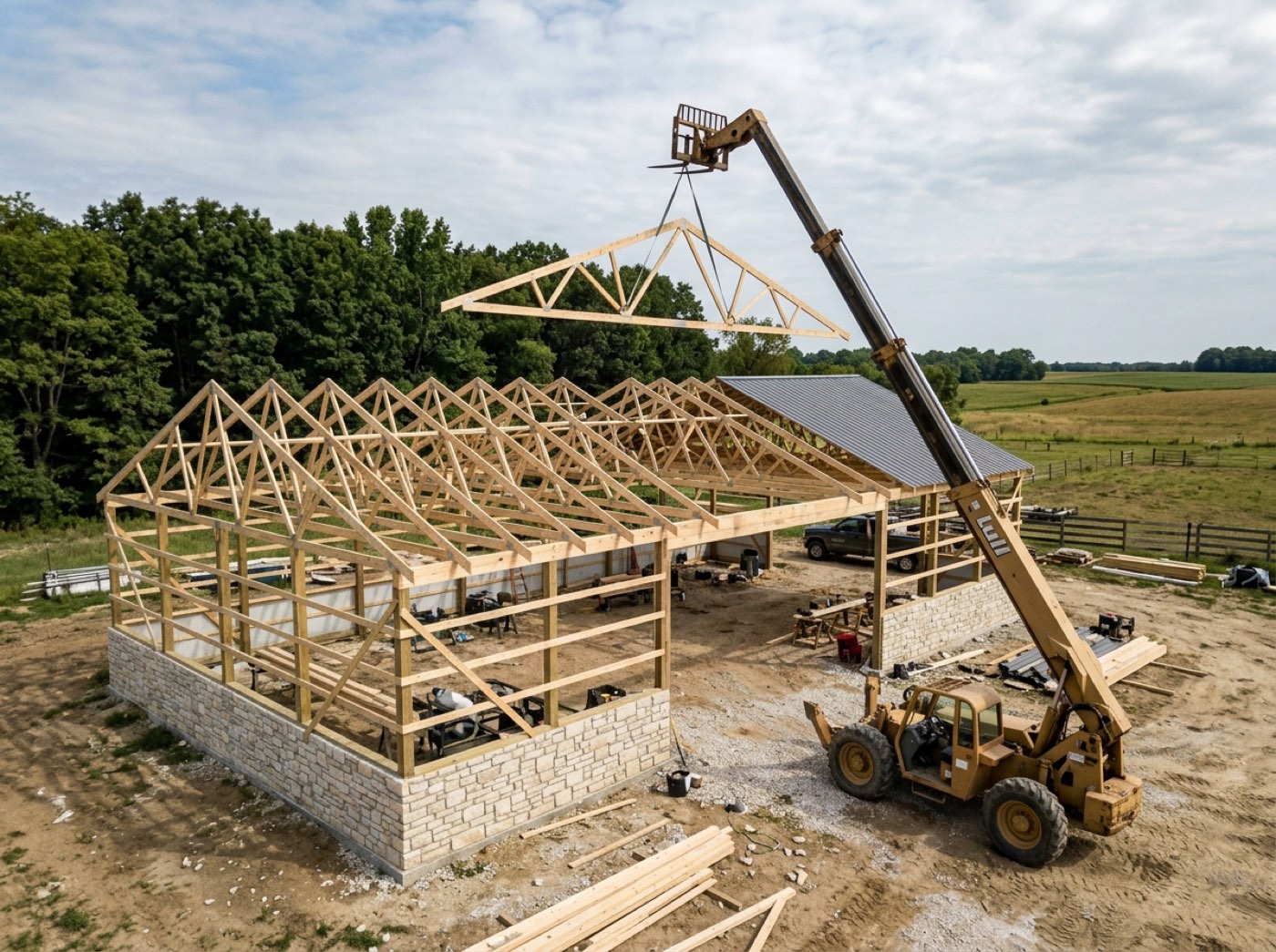
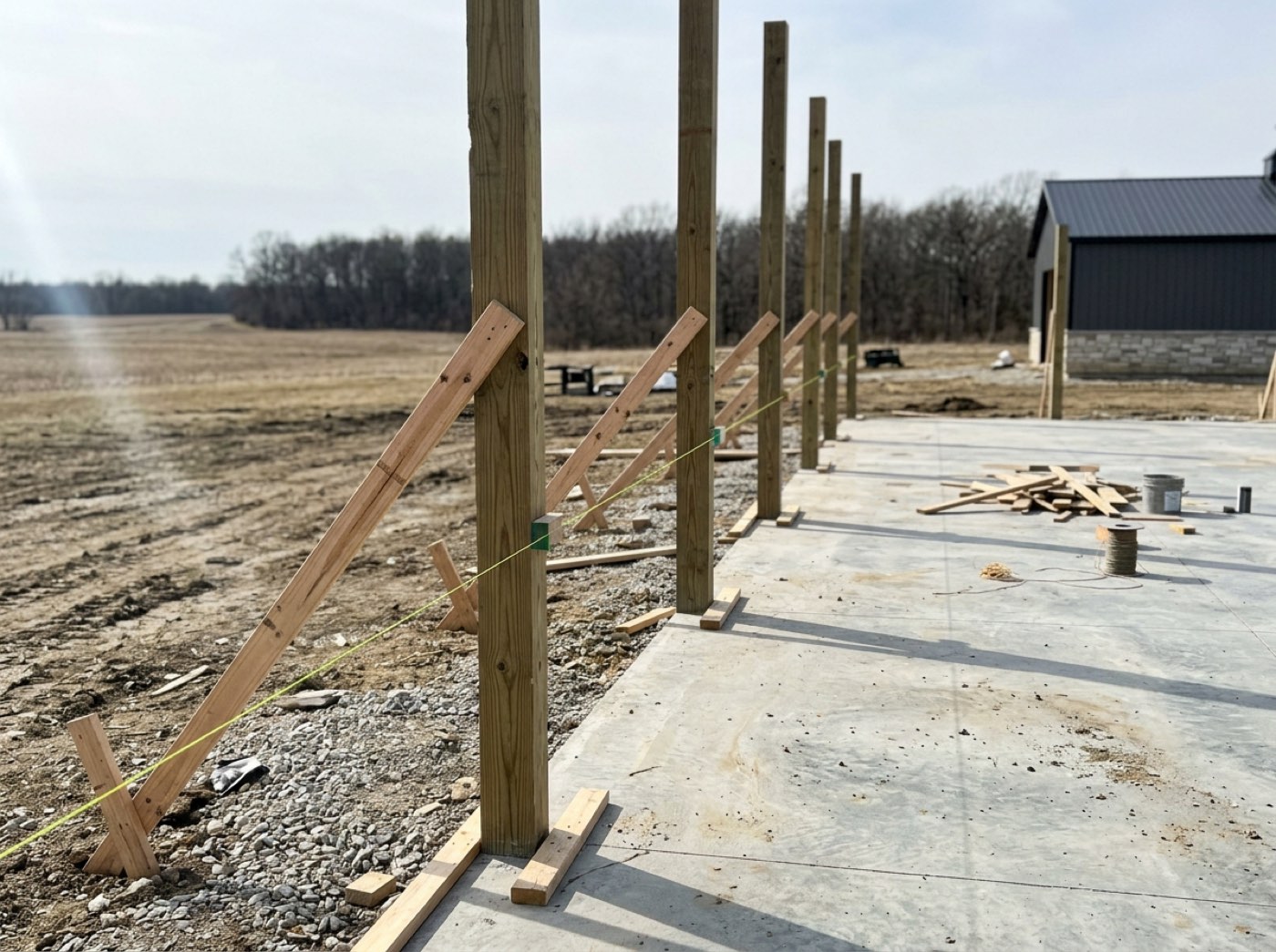
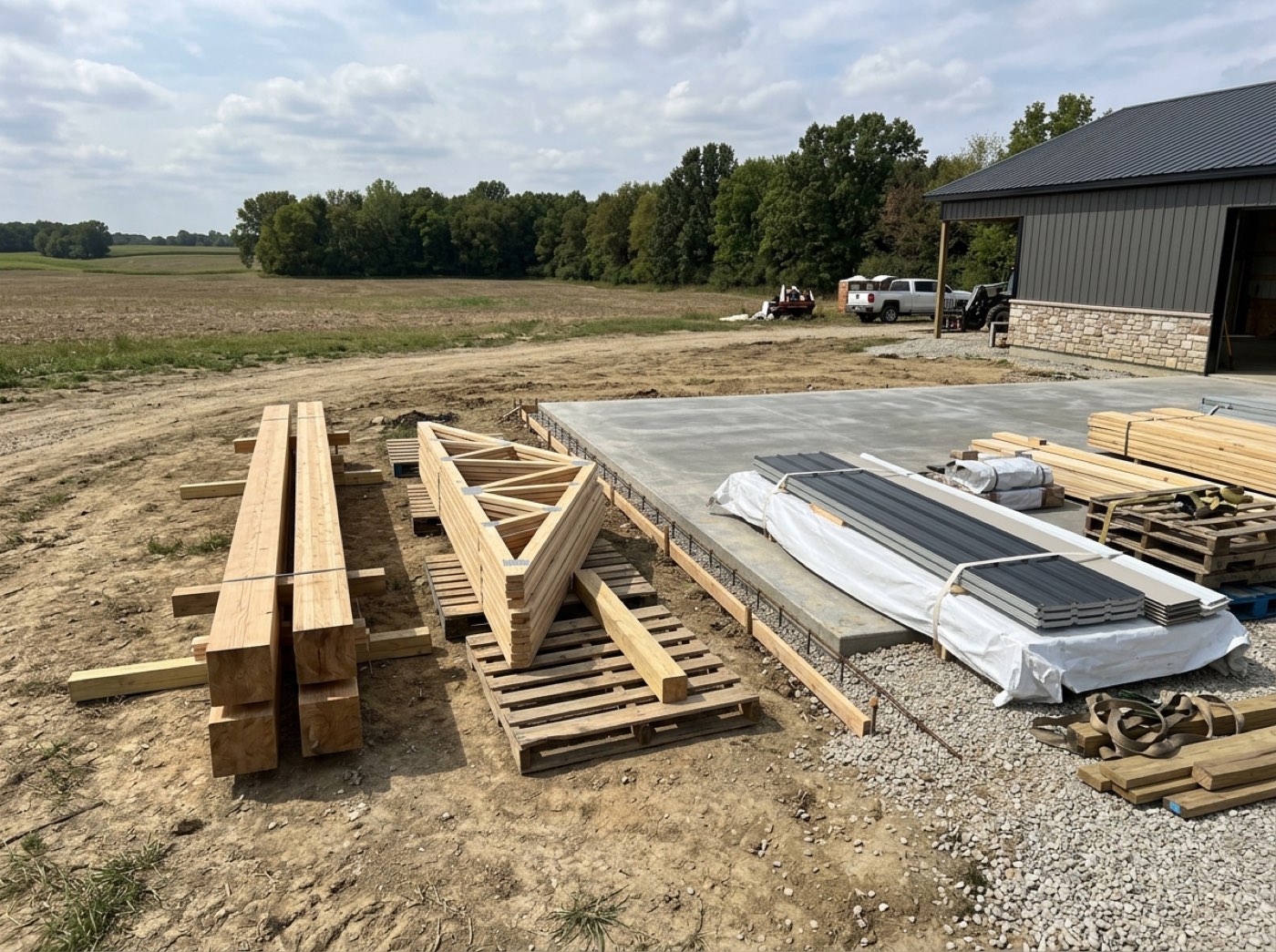
The bank can't tell whether the roof photo was taken this week or on another job, so it sends an inspector anyway.
A photo with a date and a place is evidence; a photo without one is just a picture. Lenders know the difference, and stamped photos let the bank skip a site visit it would otherwise make — which speeds up every draw on the loan.
One link per person, switched off any time
Try itEach person on the loan gets their own link — no login, no password. The card shows whether it was emailed, opened or not yet sent, and each link can be switched off on its own. Only contacts you mark can approve can approve and fund; everyone else at the bank can view, accept or reject items and enter the inspection. Every visit and download is logged. The loan details — amount, the borrower's own money, retainage on work and on stored materials, which photos the bank sees — are kept here too.
The loan officer leaves the bank, her replacement can't get in, and the only shared login was emailed around three people.
Bank staff change. A link that belongs to one person can be taken back from that person without breaking anyone else's — and with no passwords to forget, the bank actually opens the page, which is the reason the phone stops ringing.
Set up from the commitment letter in one form
Set up construction loan asks only for what's on the lender's commitment letter: the lender, loan number, loan type — bank or credit union, Farm Credit, conventional, FHA, VA or USDA — the property's state, the loan amount, the contract price filled in from the signed contract, the borrower's own money, retainage, and the borrower's email so they can approve each draw. Approved change orders are added to the contract automatically.
Draw setup means typing the same job into the bank's spreadsheet, line by line, before the first draw can even be asked for.
A builder will set up something that takes two minutes; he won't set up something that takes an afternoon. Asking only for what's on the letter, and building the rest from the job he already scheduled, is the difference between a tool that gets used and one that gets skipped.
When the job outgrows the loan, the card says so
Every draw runs the bank's in-balance check as if it were funded: the money left — undrawn loan plus the borrower's own money — must cover what it costs to finish. Approve $1,300 of upgrades the loan wasn't sized for — say through selections and allowances — and the closed card reads Out of balance $1,300 before anyone opens it, the sign dialog warns that the bank may ask the borrower to deposit the difference, and the draw request preview shows the arithmetic.
The last draw comes up $1,300 short of the cost to finish, and the talk about who covers it happens with the drywall half hung.
Nobody likes telling a homeowner their loan is short. Finding it the week the upgrade is approved — while there's time for an easy conversation — beats the bank finding it at the final draw, and the builder who raises it first keeps the customer's trust.
A funded draw lands in your invoices as paid
When the bank marks a draw funded you're told, and Record in Invoices writes it into your invoices as a paid invoice billed to the bank, with the payment recorded — once per draw. Invoices and accounting stay the one place every dollar on the job is received.
The draw was funded but never entered, so the job shows $60,000 unpaid and somebody calls the borrower about money the bank already sent.
The office shouldn't have to remember to copy money from one screen to another. When the bank's payment lands in the books in one click, the job's numbers are right the day the money arrives — which is what an owner needs to trust them.
- 1Set the loan up from the commitment letter — lender, loan amount, the borrower's own money, retainage. Ten fields.
- 2The draws, the schedule of values and each draw's checklist are built from the job's own stages — site work and foundation, shell dried in, rough-ins — and you change only what your bank does differently.
- 3The checklist ticks itself where the job already knows the answer — every checkpoint of the draw's stages done, photos taken during the draw — and you upload the paperwork: lien waivers, inspections, insurance.
- 4"Ready to send" shows up once, the moment the last item is in.
- 5You sign, the borrower approves from their own link, and the package is sealed and emailed to the bank.
- 6The bank inspects, approves, returns with a reason, or marks it funded from its own page — and you hear about each one.
- 7A funded draw goes into your invoices as a paid invoice billed to the bank, once.
A barndominium is usually a construction loan, and a construction loan is paid in draws: the bank releases money for each stage only after it has seen proof the stage is done. On a typical job that proof lives in four places — photos on a foreman's phone, lien waivers in an inbox, inspection slips in the truck, and a spreadsheet of percentages somebody typed the night before. So the week before every draw goes to rounding it all up, the bank calls for the one thing that's missing, and the money the crew is waiting on sits a week longer than it should. Banks don't distrust builders. They distrust packages they can't check. A draw request that reads the way a loan officer is trained to read one — the summary on top, a line for every part of the job underneath, retainage worked out, waivers and photos attached — gets approved. One that doesn't gets a phone call. So the evidence is collected while the job runs, the percentages come from the stage checklists instead of a guess, the package is sealed the moment it's sent so the bank's copy can never drift, and the bank works the draw on its own page instead of in your inbox.
- Draw paperwork assembled by hand the week it is due.
- Percent-complete claims the bank cannot check against the job.
- Lenders calling for missing documents before they fund.
- A loan that no longer covers the cost to finish, found out at the last draw.
- Funded draws that never make it into the job's books.