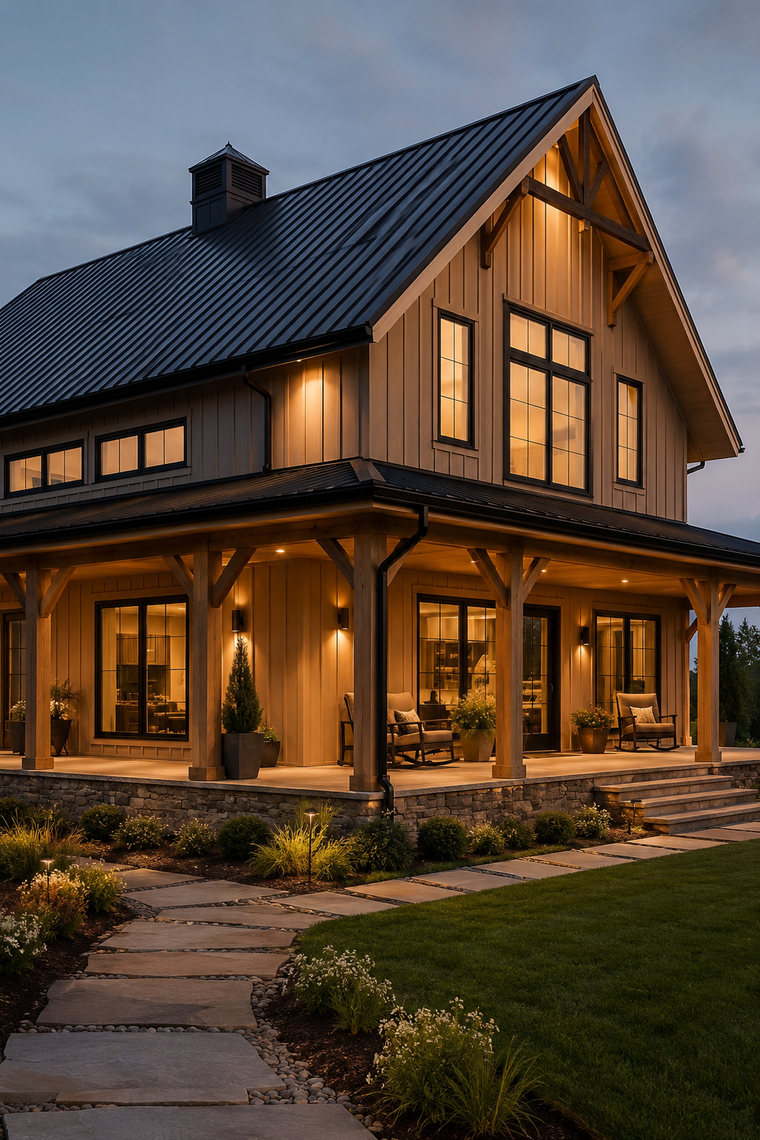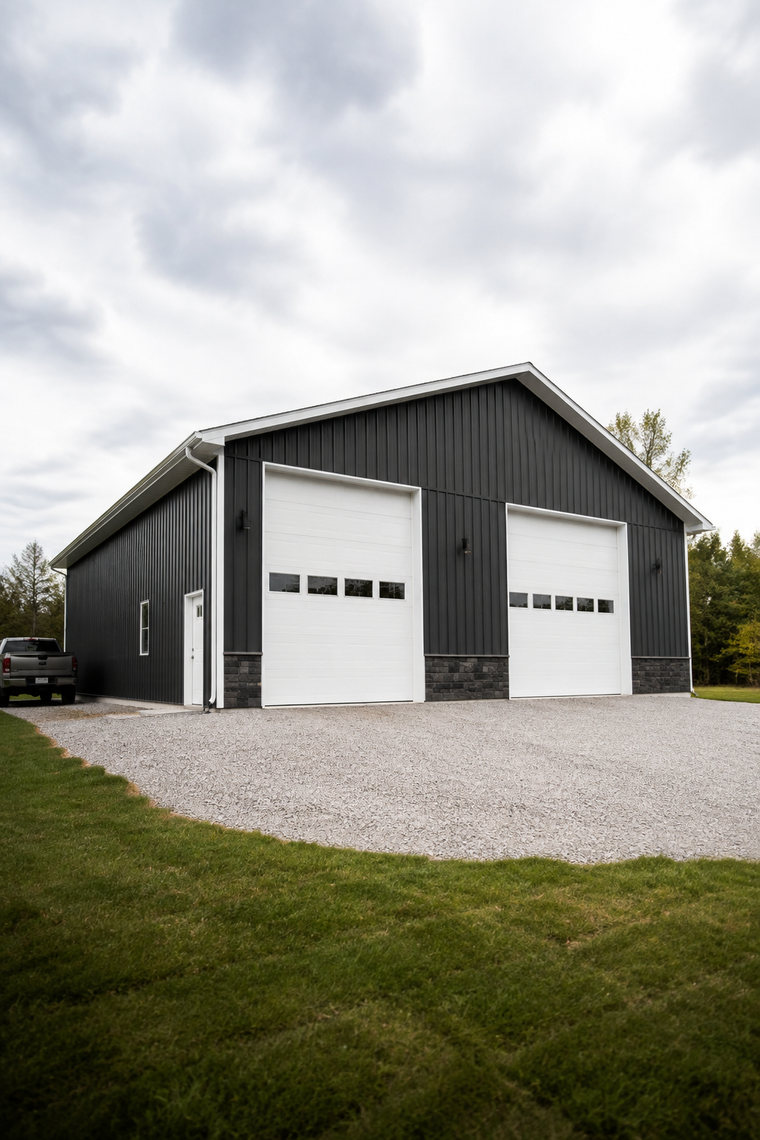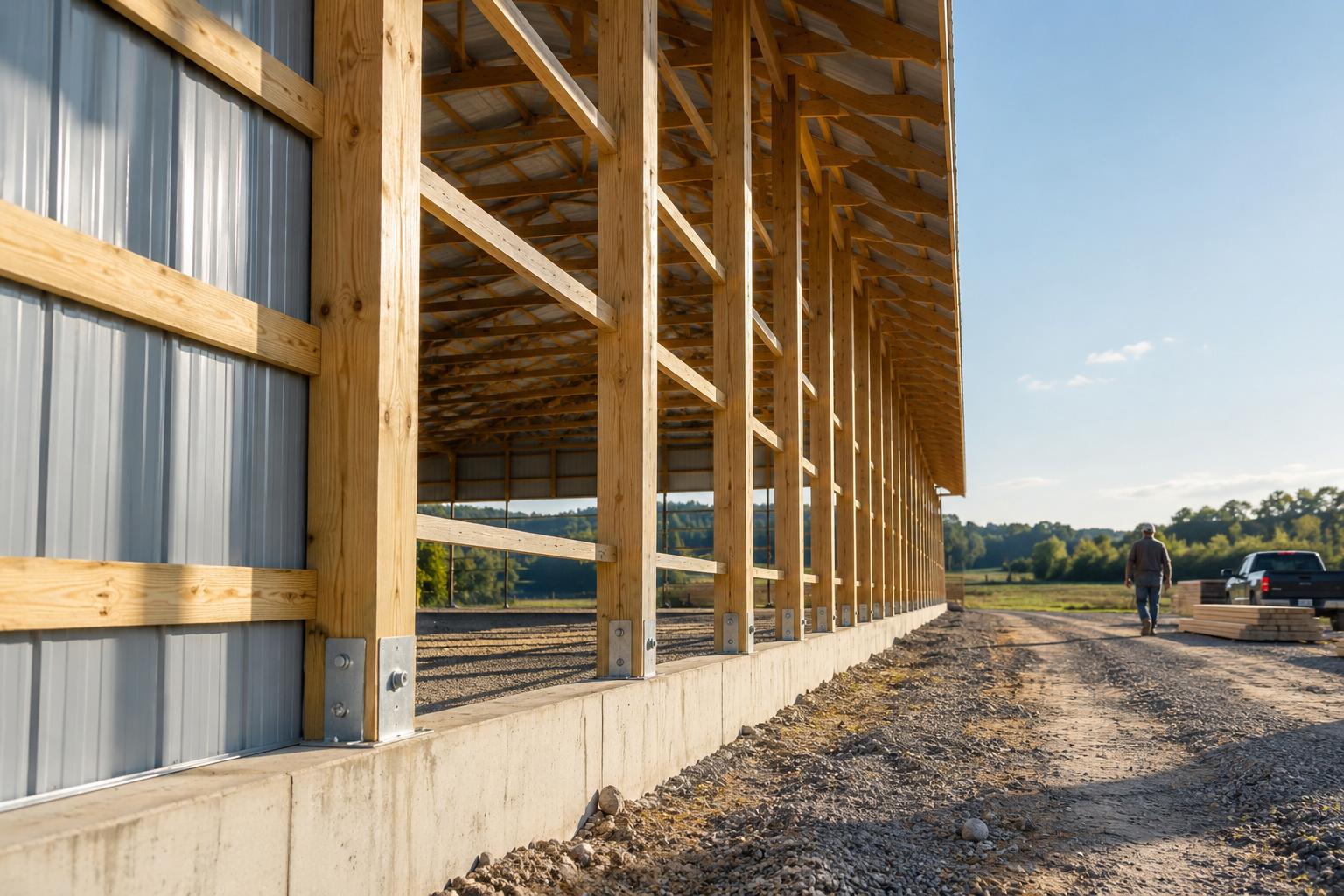
A generic CRM tracks a deal as a name, a dollar figure and a stage, and for a business that sells the same thing every time that is enough. A post frame builder CRM has to track something the generic one cannot see: the building. A post-frame sale is an estimate that changes shape three times before it is approved, a permit that depends on which county the site is in, and a nine-week build the customer watches after the deal is "won". If the CRM holds the name and the estimate lives in another tool, the value on the card is whatever somebody typed last, the permit is a note nobody reads, and the customer's questions arrive by phone. The CRM a post-frame builder needs is one where the lead, the estimate and the build are one record.
What does a generic CRM see when a builder sells?
A contact, an opportunity, an amount and a stage. HubSpot and Pipedrive do this well for a sales team working a queue of similar deals, and a builder who only wants to know who to call today can run on either. What they cannot see is that the amount is a building — 40x60x14, two overheads, a 12-foot lean-to — and that when the customer adds the lean-to on the site visit, the amount on the card, the estimate the customer will read and the contract that follows all have to move together. In a generic CRM that is three edits in three tools, and the second one is usually missed.
On the Sales Pipeline Board the amount is the estimate's own total, so the figure on the card is the figure on the quote and on the contract — one customer total, everywhere. The contact record beside it holds what they are buying and where the lead came from, so a handover to another rep is a briefing, not a phone call. One card holds the whole lead walks through every field on it.
Why is the permit a sales field, not a project field?
Because it changes the quote. A 40x60 on an agricultural parcel in one county needs no permit; the same building over the county line needs engineered drawings, a site plan and a review period. A generic CRM has a notes box for that. A builder needs the verdict on the lead before the estimate goes out, so the price and the timeline the customer hears first are the ones they will get.
The state sits on the card afterwards, so the board can be read for which jobs are waiting on a county rather than on a customer. The rest of the pre-quote discipline — site, budget, timing — is in the post-frame sales system from ad click to signed contract.
Where does a generic CRM lose the follow-up?
In the gap between "estimate sent" and "approved". A post-frame customer gets a $90,000 quote, wants to see the building, change the doors, sleep on it and have his wife read the price. That takes weeks, and a CRM stage called "Proposal" with no clock on it hides every one of them. What the builder needs is how long the lead has sat in the current stage, who moved it, and which of the stage's own steps were never done.
Each stage carries its own checklist and the timeline records which steps were ticked, so "followed up" is a timestamp rather than a memory. Sales Analytics turns those timestamps across every lead into stage-time and close-rate numbers; why post-frame builders' leads go cold is the pattern those numbers usually show. Research reported in the Harvard Business Review found companies with a defined sales process grew revenue faster than those without, and the gap widened for the ones that managed the pipeline rather than merely owned it.
Why does the conversation have to be on the deal?
Because the follow-up is a text, not a CRM task. The customer replies to the estimate email with a question about the doors, calls the office about the slab, and texts the rep a photo of the site. In a generic CRM those are three logged activities, if anyone logs them; the actual words live in three inboxes.
One conversation per customer puts every channel in one thread on the record, and the lead card shows the same thread, so the estimate is two clicks from the customer's text. A missed call from a lead does not disappear into a voicemail box either — a missed call always creates something a human will see: a task first, then the text back.
What happens to the deal after it is won?
In a generic CRM, nothing — the record closes and the job starts somewhere else. For a builder the customer's attention peaks after approval: the questionnaire, the contract, the deposit, the post-set date, the photos. The record that held the lead should become the project, on the same link the customer approved from, so the live project dashboard answers the questions that would otherwise be phone calls. That whole path — quote, form, contract, dashboard and invoice on one address — is the Live Estimate System.
Which CRM fits which builder?
A general CRM (HubSpot, Pipedrive). Right for a shop whose owner wants a clean call list and already runs estimating, contracts and the build in tools he trusts. It will not see the building, and the estimate will be typed into it as a number.
A marketing CRM (GoHighLevel and its peers). Funnels, automations, texting — strong for a builder generating volume from ads, and an honest post-frame review of GoHighLevel says where it ends.
A builder's CRM (Leads 2 Build). The card is the building; the amount is the estimate; the permit, the checklist clock and the conversation are on the deal; and the won deal becomes the project on the customer's link. Construction industry CRMs sorted by how you quote sets the three side by side, and a sales pipeline is not a list of names is the stage-by-stage version. The NFBA is the place to ask other post-frame builders which one they actually kept.